My Book of Phonics Patterns
A practical, no-nonsense companion for early readers.

📖 First Impressions
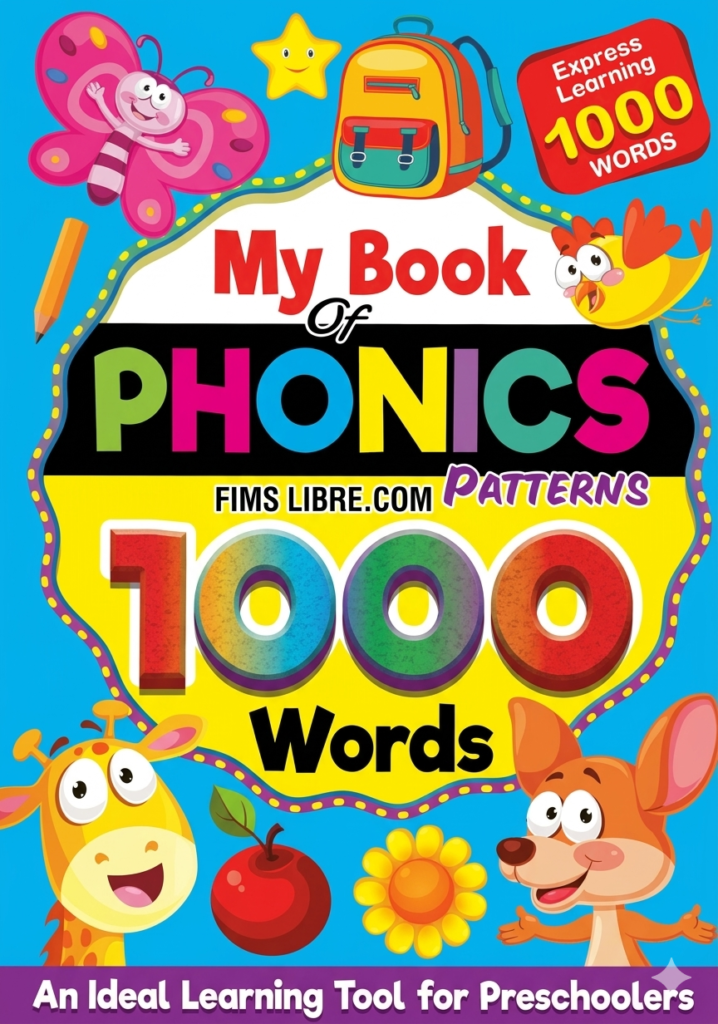
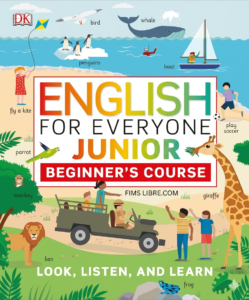
When I first picked up My Book of Phonics Patterns: 1000 Words, I’ll be honest: my first thought was about the sheer volume. A thousand words? That sounds like a massive undertaking for a preschooler. The cover is bright and busy, clearly designed to grab a kid’s attention with all the colorful characters—the giraffe, the butterfly, and the rest of the gang. It doesn’t feel academic, which is a massive win because the moment something looks like “serious schoolwork,” my kids usually head for the hills. I wasn’t expecting it to be as hefty as it is. It’s definitely more of a reference or a practice workbook than a “bedtime story” book. You aren’t going to sit down and read this from start to finish in one go, unless you want to lose your voice or bore your child to tears. It’s meant to be dipped into, which is exactly how we’ve been using it.
☕ My Reading Experience
Honestly, using this with my little one has been a bit of a mixed bag. The layout is very straightforward. You have your phonics patterns, and you have lists of words that follow those patterns. It’s not revolutionary, but it works for what it is. I found myself focusing on just a few pages at a time, mostly during the “after-school” slump when we need something productive but not overly taxing to do. What surprised me most was how quickly my child started making connections between the patterns. I’d point to a word, sound it out, and then see the lightbulb go off when they realized they could do the same with the next word on the list. It’s rewarding to witness, though I have to admit, it requires a lot of patience. If you’re tired, don’t try to tackle this; you’ll both end up frustrated. It works best when both of you have some energy to spare.
⭐ Things That Stood Out to Me
There’s a clear structure here, which I appreciate. You aren’t jumping all over the place phonetically. It builds on itself, which helps with confidence. Here are a few things that really caught my eye:
- ✔ The Pattern-Based Focus: By grouping words by sound/pattern, it really drives the concept home. It’s much more effective than just random word lists.
- ✔ Visual Appeal: The illustrations aren’t just filler; they actually help break up the monotony of the lists. It keeps the page from feeling too intimidating.
- ✔ Volume of Practice: Having 1000 words means you won’t run out of material anytime soon. It’s a resource you can keep on your shelf for a long time.
⚠️ A Couple of Weak Spots
To be fair, it’s not all sunshine and rainbows. My biggest gripe is that because it packs so many words into the pages, the text can feel a little cramped at times. For a preschooler who is still learning to focus their eyes on specific lines, it can get a bit overwhelming. I often found myself using a piece of paper to cover up the rest of the page so they could focus on just one line at a time. Also, if I’m being realistic, some of the vocabulary is a bit… odd? I don’t know why, but a few of the word choices felt a bit forced just to fit a certain phonic pattern. It’s not a dealbreaker, but it did lead to a few “Wait, what does that mean?” questions that I wasn’t really prepared to explain on the fly.
📥 Final Thoughts
If you have a preschooler who is just starting to crack the code of reading, this is a useful addition to your toolkit. Don’t treat it like a traditional book. Treat it like a resource—a companion to your other reading activities. Use it for five or ten minutes, celebrate the progress, and then put it away. It’s not a “must-read” that’s going to spark a lifelong love of literature by itself, but it is a reliable tool for building the foundation. It’s helped us bridge a gap, and for that, I’m glad we have it.
“Sometimes the simplest tools are the most effective. You don’t always need digital bells and whistles to teach a child to read; you just need a clear, consistent structure.”
If you’re looking for more resources on early childhood education, I keep a collection of stuff like this over at FIMS LIBRE.COM, so feel free to check that out if you need more ideas.
📚 Related Books
Join Our Facebook Learning Groups
🇩🇪 Learn German Free 🇬🇧 English Learning Group 🇪🇸 Spanish Learning GroupJoin our educational Facebook communities to improve your language skills, practice daily conversations, and connect with learners from around the world.