📖 First Impressions
When I first came across Counting Backwards, I honestly thought it would be a very simple numbers book with little room for anything interesting. I wasn't expecting much beyond basic counting exercises. But after spending some time with it, I found myself appreciating how approachable and child-friendly it feels.
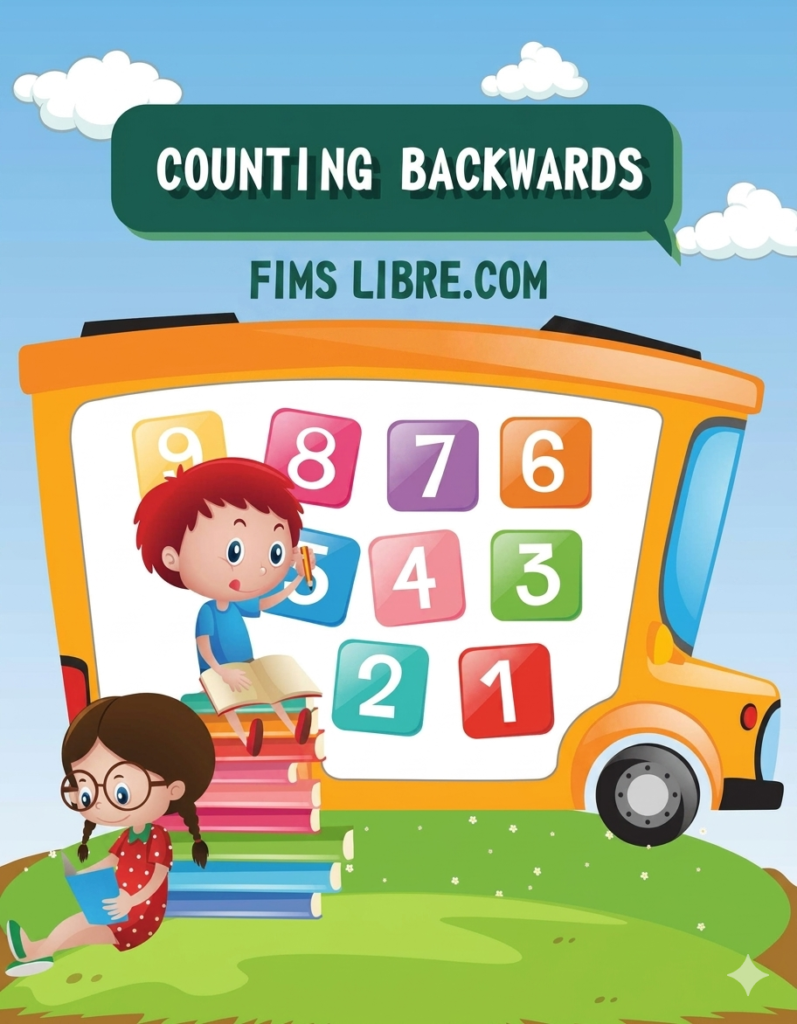
The colorful presentation immediately caught my attention. Everything looks bright without feeling too overwhelming, and that balance matters a lot when a book is meant for young learners. Sometimes educational books try too hard and end up becoming cluttered, but this one keeps things fairly straightforward.
📚 What's This Book Really About?
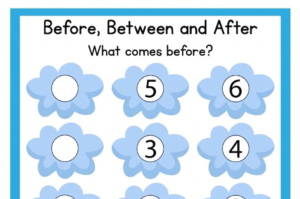
At its heart, the book introduces the idea of counting backwards. That may sound like a small topic, but for children, learning to move from larger numbers down to smaller ones can actually take some practice. The material focuses on helping young readers become comfortable with reverse counting in a gradual and easy-to-follow way.
What surprised me most was how naturally the concept fits into early learning. Reverse counting isn't just about memorizing numbers. It encourages attention, sequencing, and confidence with basic mathematics.
Looking back, I think that's one reason I enjoyed reading through it. The goal isn't to impress anyone with complicated ideas. It's simply trying to build a foundation.
⭐ Things That Stood Out to Me
A few things really stood out while going through the book:
- The colorful and cheerful illustrations.
- A clear focus on one concept instead of trying to teach too many things at once.
- Simple number progression that young children can easily follow.
- A friendly and encouraging tone.
- Visual elements that make learning feel less intimidating.
I don't know why, but books aimed at beginners often become overly repetitive. Here, repetition is present, of course, but it never felt frustrating to me. In fact, the repetition serves a purpose because that's how children absorb information.
☕ My Reading Experience
Reading this book reminded me how different children's educational books are from books written for older readers. You start noticing details you would normally ignore. Things like spacing, colors, and the order in which ideas appear become very important.
At one point, I caught myself imagining how a child would react to the pages rather than judging the content from an adult perspective. That changed my view quite a bit.
Maybe it's just me, but I think books like this work best when an adult and a child read together. I can easily imagine parents or teachers turning the pages and encouraging children to say the numbers aloud. That interaction probably adds more value than the printed content alone.
⚠️ A Couple of Weak Spots
To be fair, I did notice a few limitations.
Since the focus is very specific, older children would probably move through the material quickly. There's only so much variety you can bring into reverse counting, and occasionally I wished there were a few extra activities or small challenges included.
Another thing is that some children learn better through games or hands-on exercises. A book by itself can only do so much. In that sense, parents or teachers may want to supplement the lessons with simple activities or verbal practice.
None of these points are major problems, though. They're simply things I noticed while reading.
🧠 What Stayed With Me After Reading
What stayed with me most wasn't the numbers themselves but the reminder that learning doesn't always have to be complicated. Sometimes a single concept, explained clearly and presented in a friendly way, can be more valuable than a book that tries to cover everything.
I also appreciated the effort put into making the experience enjoyable. Young learners often remember feelings more than facts, and creating positive experiences around numbers can make a real difference later on.
"Small skills often become the building blocks for much bigger ones."
📥 Final Thoughts
If I'm being realistic, Counting Backwards isn't trying to revolutionize mathematics education, and that's perfectly fine. Its purpose is much simpler. It introduces reverse counting in a gentle, accessible, and visually appealing way.
I appreciated its straightforward approach and the fact that it doesn't pretend to be more than it is. There are areas where additional activities could have added even more depth, but overall, I came away feeling that the book understands its audience well.
For young children who are beginning to become comfortable with numbers, it feels like a calm and friendly starting point. And sometimes, that's exactly what an educational book should be.